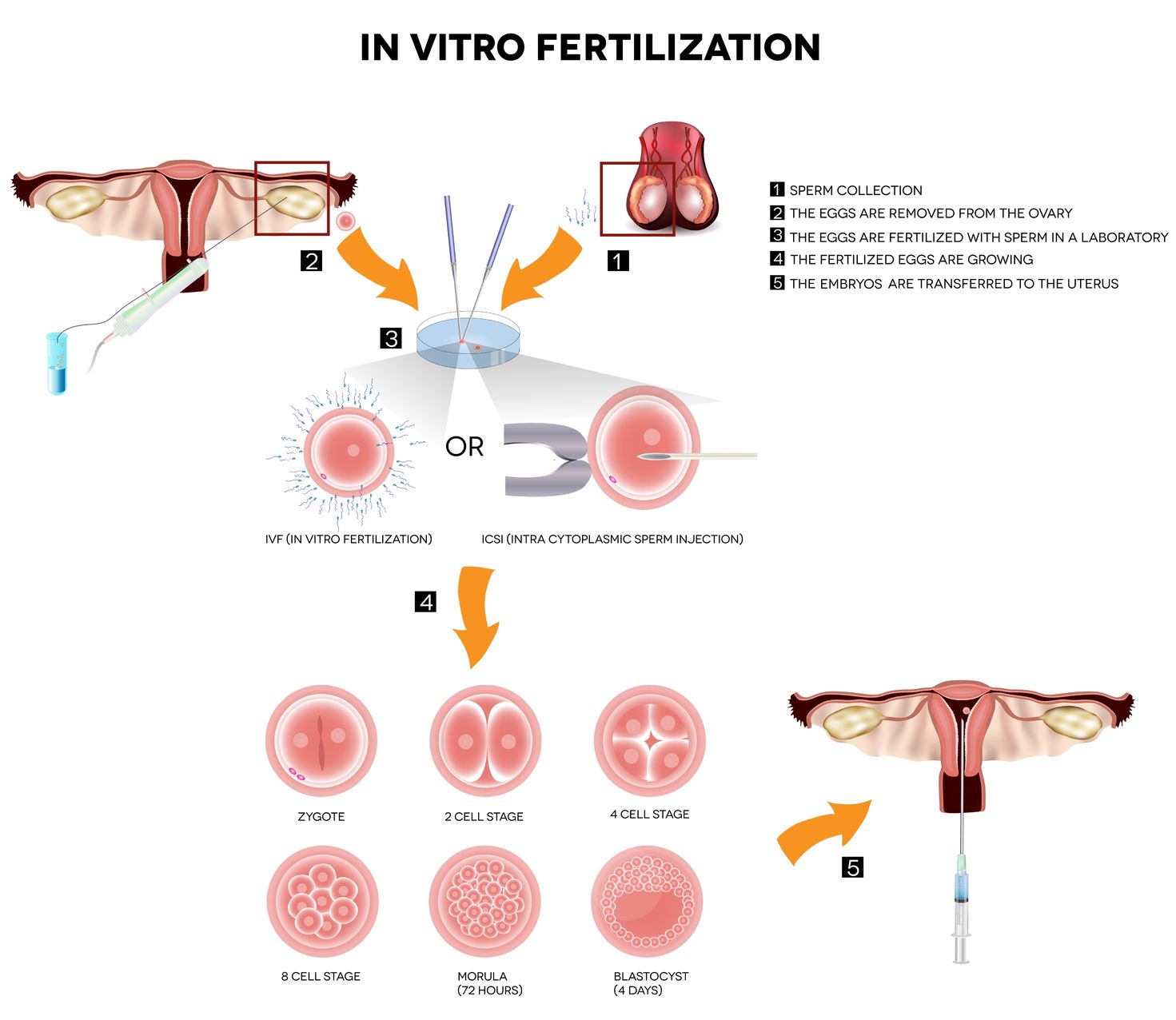
In vitro fertilization (IVF) has given hope to many women, whom for various reasons are unable to conceive otherwise. While there are health risks for any medical procedure, the benefits outweigh the costs of using IVF, assuming that the fertility treatments are effective.
If the treatments are successful, the greatest benefit is that these women can have biological children. After all, that is the whole point of undergoing treatments. The joy of having a child is immeasurable. Usually, the women who choose to undergo fertility treatments have a deep longing for children of their own.
Deciding to have fertility treatments is not an easy decision to make. If the treatments are unsuccessful, there can be many drawbacks. Although IVF treatments have gotten cheaper over the years, they are still a bit pricey for the majority of the population. Aside from the waste of money if the treatments are unsuccessful, there are emotional factors involved. A woman may feel strongly disappointed if there are no results. Although IVF has a high success rate, it does not have 100% success rate. Usually, if IVF doesn't work, other methods are most likely ineffective as well. As a result, a woman may be upset and angry at herself. She may feel less of a woman because of her inability to conceive, since childbirth should be a natural process. In addition, the pressures of trying to have a child through fertility treatments may strain a couple’s relationship/marriage. By putting in so much time and effort into conceiving, women tend to neglect their spouses. They become obsessed with the idea of having children that they lose sight of what they already have.
Overall, women are the ones affected by infertility and fertility treatments. These treatments offer hope, not a guarantee. The greater the hope women have, the greater the disappointment. Ultimately, these women have to make the tough decision of whether or not they want to put themselves through financial and emotional stress for the possibility of having biological children.

If the treatments are successful, the greatest benefit is that these women can have biological children. After all, that is the whole point of undergoing treatments. The joy of having a child is immeasurable. Usually, the women who choose to undergo fertility treatments have a deep longing for children of their own.
Deciding to have fertility treatments is not an easy decision to make. If the treatments are unsuccessful, there can be many drawbacks. Although IVF treatments have gotten cheaper over the years, they are still a bit pricey for the majority of the population. Aside from the waste of money if the treatments are unsuccessful, there are emotional factors involved. A woman may feel strongly disappointed if there are no results. Although IVF has a high success rate, it does not have 100% success rate. Usually, if IVF doesn't work, other methods are most likely ineffective as well. As a result, a woman may be upset and angry at herself. She may feel less of a woman because of her inability to conceive, since childbirth should be a natural process. In addition, the pressures of trying to have a child through fertility treatments may strain a couple’s relationship/marriage. By putting in so much time and effort into conceiving, women tend to neglect their spouses. They become obsessed with the idea of having children that they lose sight of what they already have.
Overall, women are the ones affected by infertility and fertility treatments. These treatments offer hope, not a guarantee. The greater the hope women have, the greater the disappointment. Ultimately, these women have to make the tough decision of whether or not they want to put themselves through financial and emotional stress for the possibility of having biological children.